Whey vs Casein: Which Protein Is Better for Your Goal?
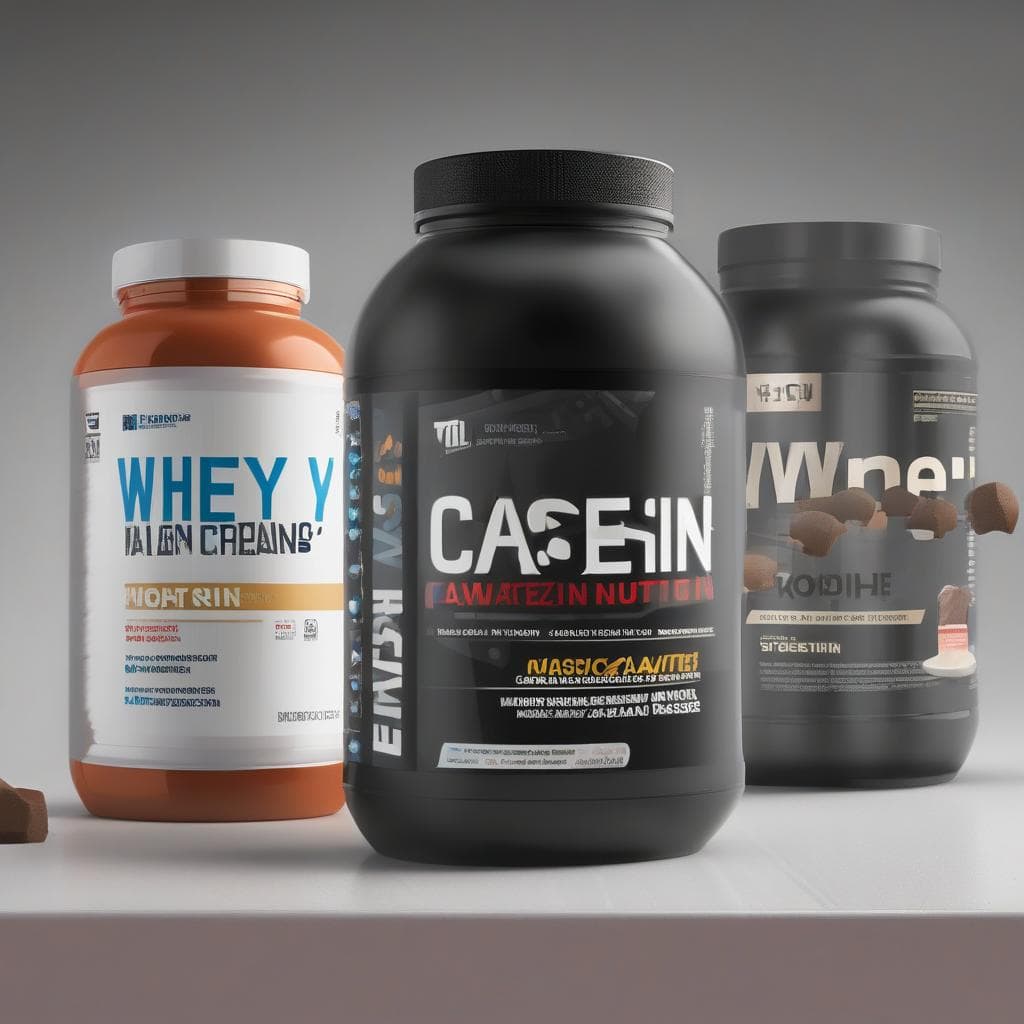
If you train regularly, choosing between whey and casein is less about hype and more about context. Both are high-quality milk proteins. Both can support muscle gain and recovery. The key differences are digestion speed, texture, satiety profile, and how they fit into your daily routine.
This guide explains where each protein shines, where claims are overstated, and how to pick the right option for your specific goal.
Whey vs Casein (Practical Evidence)
Overall Rating
Executive Summary
- Whey digests faster and is usually more practical around training.
- Casein digests slower and can help with satiety during long gaps between meals.
- When total daily protein is matched, long-term muscle outcomes are often similar.
- The best choice is the one you can use consistently at the right dose.
Quick Comparison
Protein Quality and Amino Acids
Both whey and casein are complete proteins containing all essential amino acids. Whey typically has higher leucine density per gram, which may help stimulate muscle protein synthesis efficiently, especially when total meal protein is low.
Casein has strong amino acid quality as well, but because it digests more slowly, amino acid appearance in blood is more gradual. This can be useful in situations where long-lasting satiety or prolonged amino acid availability is preferred.
Practical point: if your total meal protein is high enough, the leucine gap between whey and casein often becomes less important than adherence and total daily intake.
Muscle Growth: Does One Build More Muscle?
What the Research Usually Shows
In most practical training settings, when calories and total protein are matched, whey and casein can both support hypertrophy effectively. Some studies show small short-term differences in muscle protein synthesis kinetics, but long-term body composition differences are often modest.
When Whey May Have an Edge
- You train and then go several hours before the next meal
- You want faster digestion and a lighter shake
- You need a simple post-workout option with high protein per serving
When Casein May Have an Edge
- You struggle with hunger during dieting phases
- You have long gaps between meals
- You prefer a thicker shake and slower digestion profile
Recovery and Training Performance
Neither whey nor casein is a magic recovery solution by itself. Recovery quality depends mostly on total protein, total energy, sleep, hydration, and training load management.
That said, whey can be convenient immediately after training when appetite is low, while casein can help bridge long no-food periods and support overall protein distribution across the day.
Satiety and Body Composition
Casein often produces greater fullness for many users due to slower gastric emptying and thicker texture. This can help compliance in fat-loss phases where hunger management is the main challenge.
Whey can still work well in cutting phases, especially if used in higher-protein meals, mixed with fiber-rich foods, or paired with fruit/oats to increase satiety.
Bottom line: appetite control is highly individual. The best protein for cutting is the one that helps you sustain your calorie target without unnecessary rebound eating.
Timing Strategy That Actually Matters
Timing can help, but total daily protein is the primary driver.
High-priority variables
- Hit your daily protein target.
- Spread intake across 3-5 protein feedings if practical.
- Keep training quality high over weeks and months.
Simple use cases
- Whey post-workout: practical and easy to digest.
- Casein pre-sleep: useful if dinner is early or overnight fasting is long.
- Blend strategy: whey in daytime, casein at night if desired.
How Much to Take Per Serving
For most adults:
- 20-30 g protein per serving is a solid baseline.
- Larger athletes or very high targets may use 30-40 g servings.
- Total daily target should be set first; supplement servings should fill gaps.
General daily target for muscle gain phases is often around 1.6-2.2 g/kg/day of protein from all sources combined, adjusted by preference, training volume, and overall diet structure.
Who Should Choose Whey, Casein, or Both
Choose Whey If
- You want quick, convenient daytime shakes.
- You care about lighter texture and easier mixing.
- You want strong value per gram and broad product selection.
Choose Casein If
- Hunger control is your top challenge.
- You prefer a slower-digesting protein at night.
- You want thicker shakes or pudding-like recipes.
Use Both If
- You want flexibility by time of day.
- You tolerate both and can buy quality products affordably.
- You enjoy whey around training and casein during long gaps.
Label Checklist: Avoid Expensive Mistakes
- Protein per serving: ideally 20 g or more
- Transparent ingredient list without opaque proprietary blends
- Sugar alcohol amount if GI sensitivity is present
- Third-party testing or quality certifications when possible
- Cost per 25 g protein, not just cost per scoop
Red flags:
- Very low protein percentage with many fillers
- Overly aggressive claims without dosage transparency
- No clear batch testing or source information
Verdict: There is no universal winner. Use whey for convenience, casein for satiety, or combine both based on your schedule and tolerance.
FAQ
Can I mix whey and casein in the same shake?
Yes. Many users do this to balance texture, digestion profile, and convenience. It is a practical strategy, not a problem.
Is casein before bed mandatory for muscle gain?
No. It can be useful, but not mandatory. If your total daily protein is already on target, the extra effect may be small.
Does fast digestion always mean better muscle growth?
Not always. Fast digestion can be helpful in some situations, but total daily protein and consistent resistance training matter more for long-term outcomes.
Is whey isolate always better than concentrate?
Not always. Isolate may help with lactose tolerance and macro precision, but concentrate can be cost-effective and perfectly adequate for many people.
What if I get bloated from both?
Try smaller servings, alternate brands, check sweeteners and gums, use water instead of milk, and test lower-lactose formulas.
Key Takeaways
- Whey and casein are both high-quality complete proteins.
- Long-term muscle results are often similar when total protein is matched.
- Whey is typically better for convenience; casein is often better for satiety.
- Timing matters less than consistency and total daily intake.
- Pick the product you can tolerate, afford, and use every week.
Related Guides
- The Complete Whey Protein Guide: Types, Benefits & Science
- Protein Timing for Muscle Growth: What Matters Most
- Creatine Monohydrate Guide: Benefits, Dose, Safety
- Magnesium for Recovery and Sleep: Evidence-Based Guide
References
- Tang JE, et al. Ingestion of whey hydrolysate, casein, or soy protein isolate: effects on mixed muscle protein synthesis at rest and following resistance exercise in young men. J Appl Physiol. 2009.
- Reidy PT, Rasmussen BB. Role of ingestible protein quality in the maintenance of muscle mass and function in health and disease. Nutrients. 2016.
- Morton RW, et al. A systematic review, meta-analysis and meta-regression of the effect of protein supplementation on resistance training-induced gains. Br J Sports Med. 2018.
- Snijders T, et al. Protein ingestion before sleep increases muscle mass and strength gains during prolonged resistance-type exercise training in healthy young men. J Nutr. 2015.